
Aging in Place: How Professional Care Makes It Possible
Aging in place allows seniors to remain safely at home with professional in-home care and care management support. Learn how expert caregivers make it possible.
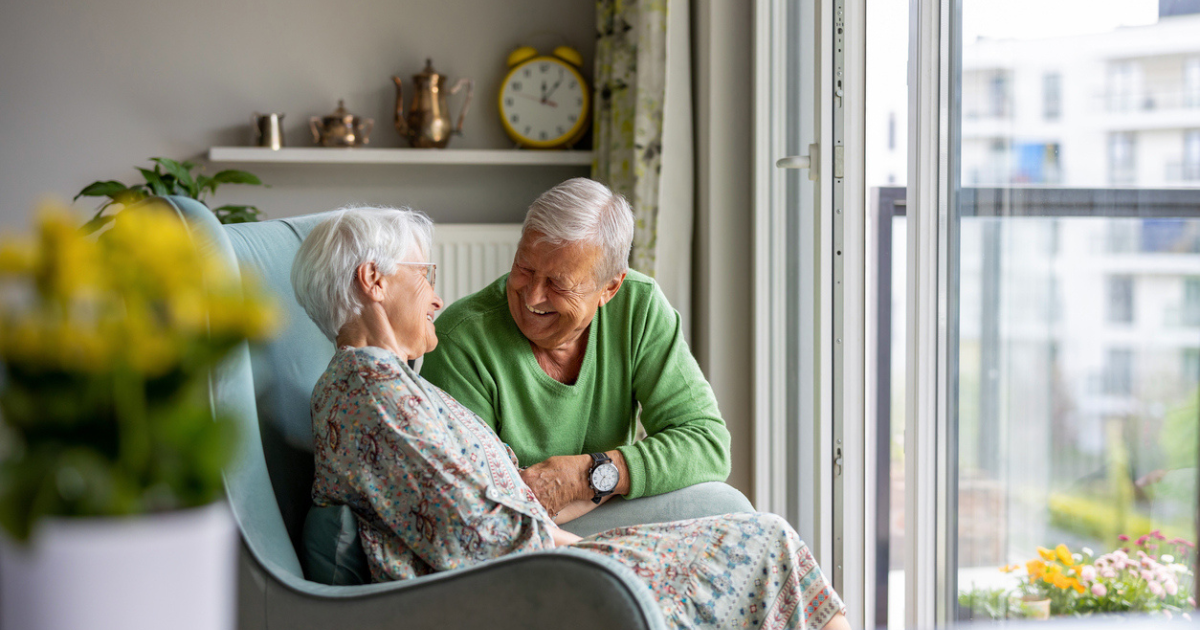
For many older adults, there is no place more comforting than home. Familiar surroundings, cherished routines, and a sense of independence are deeply tied to quality of life. As aging brings physical, cognitive, or medical challenges, families often worry that remaining at home may no longer be safe or realistic. The good news is that aging in place is not only possible—it’s often the best option when supported by professional care.
What Does Aging in Place Mean?
Aging in place refers to an older adult’s ability to continue living safely and comfortably in their own home as they age, rather than transitioning to assisted living or a nursing facility. With the right support systems in place, seniors can maintain independence while receiving the care they need—on their terms.
The Challenges Families Face
As needs increase, families may notice:
Difficulty with daily activities such as bathing, dressing, or meal preparation
Increased fall risk or home safety concerns
Missed medications or confusion about dosages
Memory changes or early signs of cognitive decline
Caregiver burnout among family members
Without professional support, these challenges can quickly become overwhelming and may lead to unnecessary hospitalizations or premature placement in a facility.
How Professional In-Home Care Makes Aging in Place Possible
Professional caregiving services are designed to adapt as needs change, providing both immediate support and long-term peace of mind.
1. Personalized, One-on-One Care
Unlike institutional settings, in-home care is tailored to the individual. Care plans are customized based on health needs, preferences, routines, and lifestyle—ensuring dignity, comfort, and continuity.
2. Assistance With Daily Living
Professional caregivers provide support with:
Bathing, grooming, and dressing
Meal planning and preparation
Light housekeeping and laundry
Transportation to appointments and errands
These services help maintain independence while reducing risk.
3. Enhanced Safety at Home
Caregivers help prevent falls, monitor mobility, and identify safety concerns before they become emergencies. This proactive approach supports long-term stability at home.
4. Medication Support and Health Monitoring
Caregivers assist with medication reminders, observe changes in health or behavior, and communicate concerns promptly—often preventing avoidable hospital visits.
5. Companionship and Emotional Well-Being
Loneliness can be just as harmful as physical decline. Professional caregivers provide meaningful companionship, social engagement, and emotional support that enhances overall well-being.
The Role of Care Management in Aging in Place
For families seeking a higher level of coordination, care management services elevate the aging-in-place experience. A Certified Care Manager:
Coordinates medical care and specialist appointments
Communicates with physicians and other professionals
Oversees care plans and adapts them as needs evolve
Serves as an advocate for the client and family
This concierge-level approach ensures nothing falls through the cracks—especially for long-distance families or complex care situations.
Supporting the Whole Family
Professional care doesn’t replace family involvement—it enhances it. By relieving families of daily caregiving demands, loved ones can focus on meaningful time together instead of constant worry or exhaustion.
Aging in Place With Confidence
With the right professional support, aging at home can be safe, dignified, and fulfilling. Professional in-home care and care management allow older adults to maintain independence while ensuring families have peace of mind knowing their loved one is supported by trained, compassionate professionals.
If you are considering aging in place for yourself or a loved one, partnering with a trusted caregiving agency can make all the difference.
